One Platform for
Smarter, Easier
Fare Collection
Flexible account-based ticketing
for seamless travel, efficient operations
and future-ready mobility

Modern Fare Collection. Simplified.
FareGo Suite is the powerful Account-based Ticketing (ABT) platform that gives public transit agencies a simpler way to run modern fare collection systems. Built for agencies and operators that need flexibility, it supports open- and closed-loop travel, handles complex fares with ease, and moves fare logic to the cloud-based back office. The result is easier integration, enhanced passenger experience, and a system that scales as your network grows.
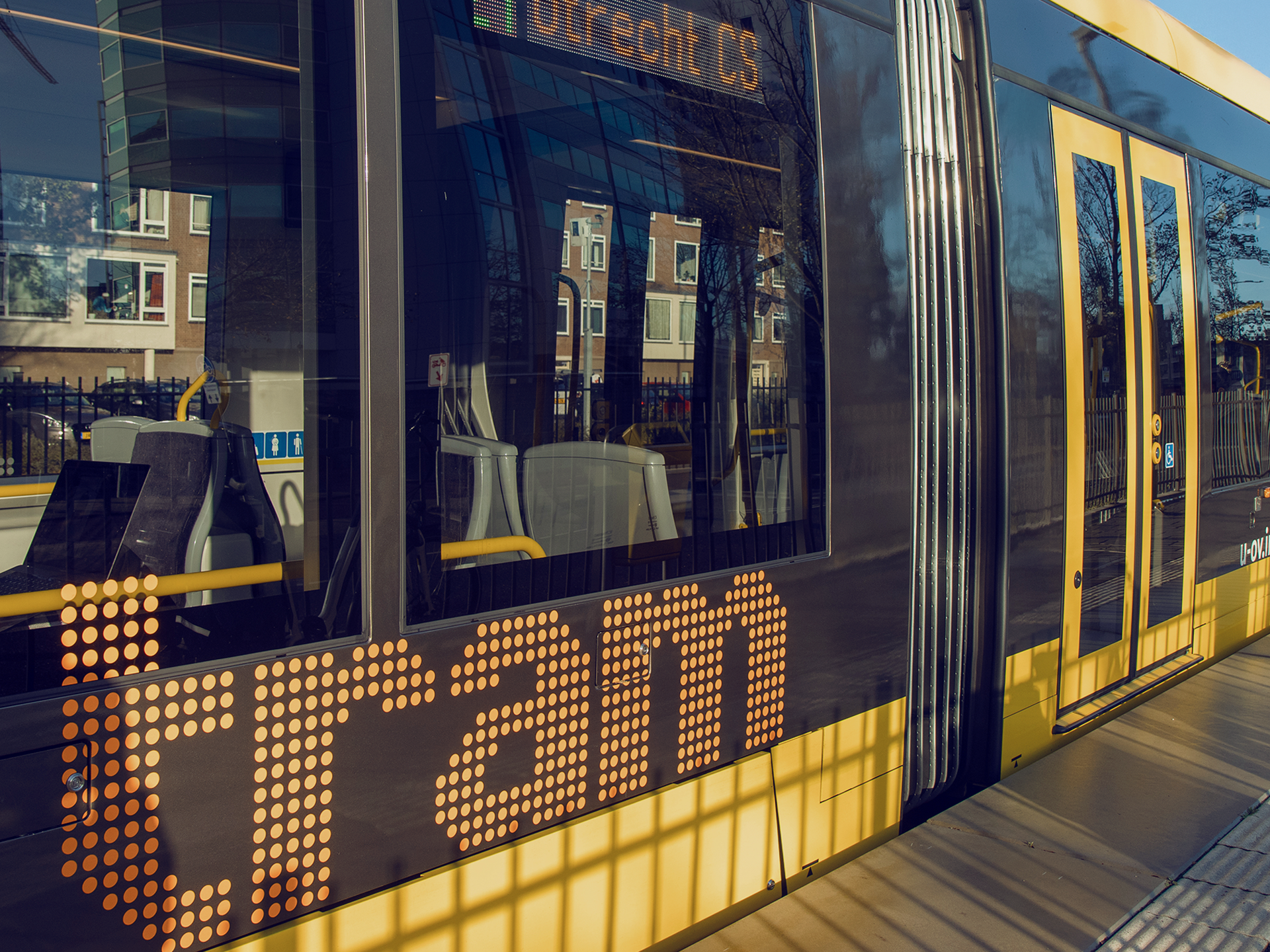
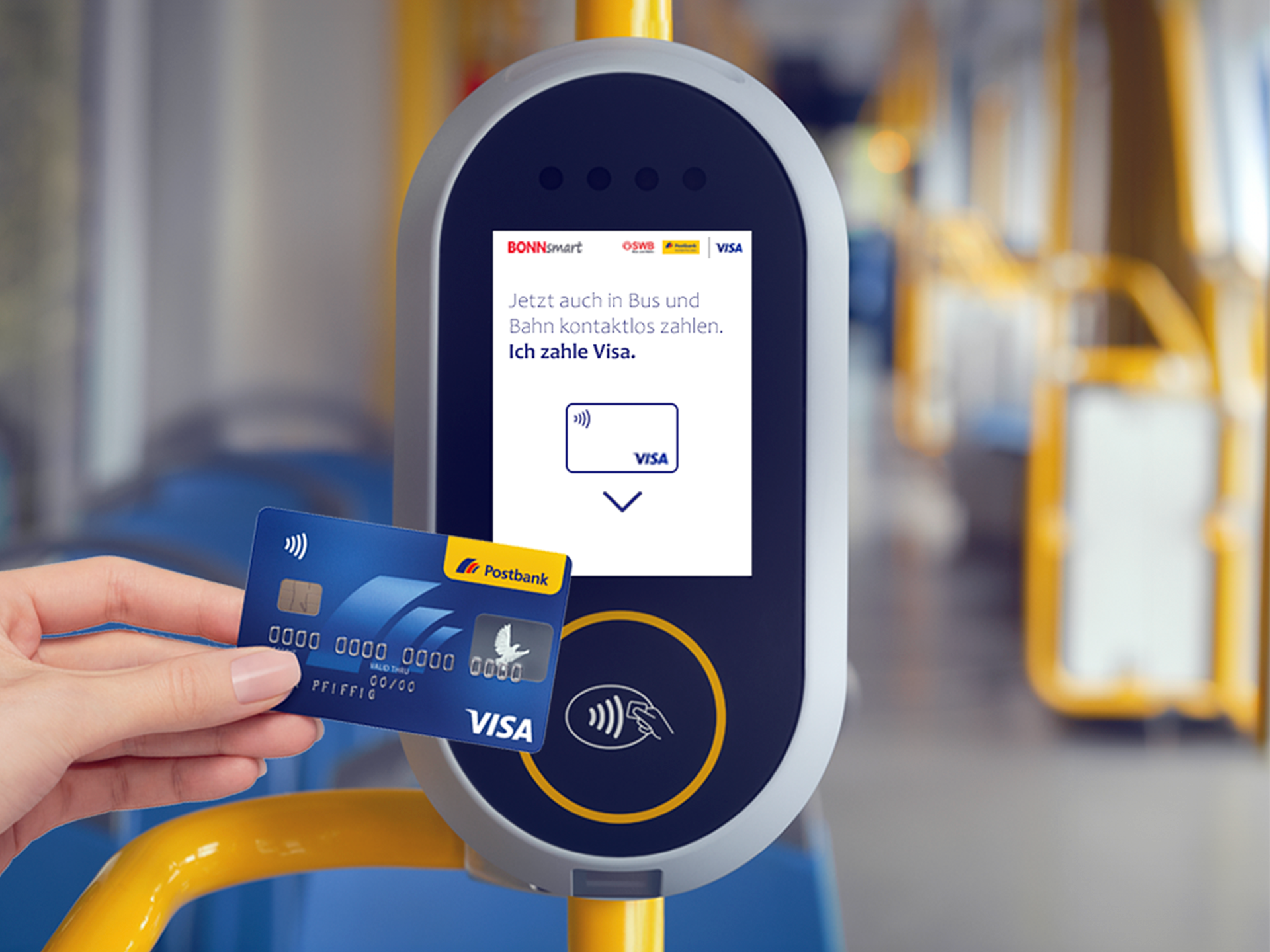
Proven In Real-World Operations
Why Transit Agencies Choose FareGo Suite
- Open architecture with comprehensive API support for a fully connected transit ecosystem. Benefit from seamless integration and maximum interoperability. Avoid vendor lock-in and integrate sales, validation and inspection devices from different manufacturers. Establish easy integration with the IT environment like financial accounting systems and data warehouse platforms.
- Cloud-based architecture for flexible scaling in line with operational needs. Expand to new lines, adjust services, and dynamically adapt capacities over time. Leverage a modular design to add or modify functionalities as requirements evolve. Stay ready for new technologies and ticketing models - while ensuring long-term investment security and lasting operational flexibility.
- Streamlined system architecture for fast and straightforward implementation. A lightweight and cost-efficient configuration provides one of the fastest paths to modern ABT environments. Get started with future-ready ticketing functionality like open payments - without the complexity or investment of large-scale system deployments. Take advantage of a phased deployment tailored to your agency’s pace.
- Secure fare transactions and data protection according to highest security standards. Compliant payment processing in line with EMV and PCI DSS requirements. Personalized data are secured according to GDPR and similar national and local regulations. Overall cyber security is taken care of by typical measures like periodical updates and patches, vulnerability checks and further processes combined with a security architecture according to the latest standards.
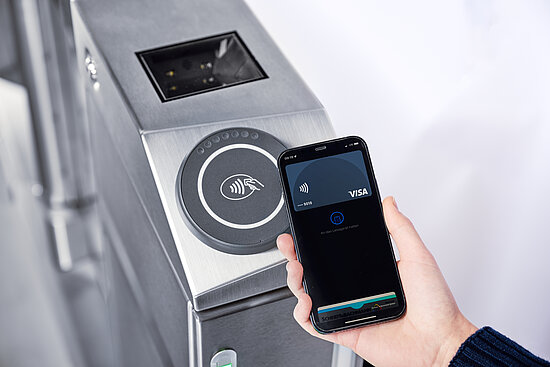
- From open payment with bankcards and mobile payment apps to stored value, season passes and single rides – the open-loop and closed-loop features accommodate individual passenger preference for seamless, accessible, and user-friendly journeys across all customer groups. Automated fare capping, autoload of stored value and pass auto-extension provide seamless customer experience. Live travel data allow maximum transparency.
- Cloud-native architecture for efficient multi-operator environments. Enable multiple transit providers to operate within one unified account-based ticketing ecosystem. Manage complex organizational structures and regional operators through a centralized platform. Maintain operational flexibility for individual operators while ensuring efficient and scalable system operations.
Select The Best Configuration For Your Needs



Experience It Yourself



Downloads
FAQs
What is Account-based Ticketing?

In traditional Card-based Ticketing (CBT), information is managed decentral and stored across the back-office system, devices and ticket media being the leading source of information. Account-based Ticketing (ABT), on the other hand, is a modern fare collection system that centralizes all information on a powerful cloud platform. All passenger transactions, such as ticket purchases and validations, are stored centrally in accounts in the cloud. This is why it is called account-based ticketing. In account-based ticketing systems, travel media no longer contain ticket information but serve as identifiers that refer to the travel authorization in the associated cloud account. This is why account-based ticketing is also called ID-based Ticketing (IDBT). The FareGo Suite is Scheidt & Bachmann’s scalable, account-based ticketing system, with features that take any transit operator to the next level.
How does ABT work?
Ticketing and payment information and transactions are stored centrally in accounts in the cloud-based system. Also, all business logic of the ticketing system is processed exclusively in the cloud system. This makes the device software much simpler and at the other hand increases the flexibility for changes to the agency massively. This principle also enables an agency to use every machine-readable item as ID-media for their passengers to use the transportation system. This opens all kinds of options like transit cards, barcode tickets, mobile ticketing apps, credit/debit cards, mobile payment apps, virtualized cards and tickets in the wallet.
How can I migrate an existing system to an ABT system?
Migrating to an Account-based Ticketing (ABT) system is not a one-size-fits-all process. Every transit agency has different goals, passenger structures, operational requirements, existing assets and political or regulatory constraints. A successful migration therefore starts with a detailed assessment of your current environment and a clearly defined migration strategy. The key question is not only which technologies to introduce, but also in which sequence and at what pace they should be deployed. Our experts work closely with agencies to evaluate their specific situation, identify the most effective migration measures and define a rollout roadmap that minimizes risk and disruption. By considering passenger groups, existing infrastructure and long-term business objectives, agencies can transition to ABT step by step while maintaining reliable operations throughout the process.
Can I migrate to ABT without replacing equipment?
In many cases, yes. The FareGo Suite is built on open standards and comprehensive API-based integration, allowing existing devices from Scheidt & Bachmann or third-party suppliers to communicate with the ABT back office. This significantly reduces the need for large-scale hardware replacement and helps protect previous investments. Existing validators, sales devices and other field equipment can often be integrated by implementing the required interface specifications. However, the feasibility depends on the capabilities of the installed equipment. For example, if an agency wants to introduce open-loop EMV payments, devices must support the necessary payment and security standards. The FareGo Suite provides the open integration framework, while the compatibility of existing devices should be evaluated individually as part of the migration planning process.
Which ticket media does the FareGo Suite support?
The FareGo Suite is designed as a truly media-neutral ABT platform. Because travel rights are stored centrally in the account rather than on the medium itself, virtually any machine-readable identifier can be used to access the system. Supported media include open-loop EMV cards such as credit and debit cards, closed-loop NFC smart cards, virtualized transit cards stored in mobile wallets, and barcode or QR-code tickets on paper or mobile devices. This flexibility allows agencies to serve occasional travelers, tourists, commuters and frequent riders with the media that best match their preferences. The platform’s open architecture also ensures that new forms of identification can be integrated as technology evolves, helping operators remain future-ready while avoiding dependency on a single ticket medium.
Security: How secure and reliable is the system?
Security and reliability are fundamental design principles of the FareGo Suite. Payment-related processes follow established PCI requirements to ensure secure handling of payment credentials and transactions. Personal data can be managed in accordance with GDPR and similar privacy regulations, helping agencies meet stringent data-protection requirements. In addition, the platform incorporates industry-standard cybersecurity practices, including secure software development processes, modern encryption technologies, regular updates and patches, vulnerability assessments, penetration testing and strict access-management procedures. Operational security is supported through governance frameworks, audits and continuous monitoring. Reliability is achieved through robust system architecture and clearly defined service-level KPIs. The platform is designed to support the high availability levels typically expected in mission-critical public transport operations while maintaining secure and uninterrupted service delivery.
How can I attract new passengers and increase ridership?
Increasing ridership starts with reducing barriers to using public transport. The FareGo Suite helps agencies create a seamless passenger experience by supporting multiple ticket media, sales and service channels, and payment methods, allowing passengers to interact with public transport in the way that suits them best. Some prefer mobile-first experiences, while others rely on traditional channels or cash payments. By offering greater flexibility, agencies can make public transport more accessible to a wider audience. The platform also simplifies complex fare structures through capabilities such as fare capping and best-price calculation. Passengers no longer need to determine the most economical ticket before travelling, the system automatically applies the best available fare based on their travel behaviour. The most effective ridership strategy depends on each agency’s specific passenger mix, whether the focus is on attracting occasional travellers, increasing corporate subscriptions or serving new customer segments. The FareGo Suite provides the flexibility to support these different growth strategies.
Which user groups does the FareGo Suite support?
The FareGo Suite supports a broad range of passenger and operational user groups. On the passenger side, the system can accommodate occasional riders, tourists, commuters, families, groups, registered customers and institutional users. It also supports concession and entitlement programmes for specific passenger categories such as students, seniors or other eligible groups. On the operational side, the platform provides dedicated functionality for customer service teams, ticket inspectors, helpdesk agents, service technicians and other operational staff. In addition, advanced capabilities support strategic and administrative roles such as fare policy planners and finance managers, enabling them to access the information and processes required for planning, reporting and decision-making. This comprehensive approach ensures that all stakeholders involved in fare collection can be served through a single integrated platform.
Which tariff models does the FareGo Suite support?
The FareGo Suite supports a wide variety of fare models and can be configured to match regional transit policies and passenger requirements. Supported approaches include flat-fare schemes, zone-based fares and distance-based pricing models. The platform also enables modern ABT capabilities such as fare capping and best-price calculation, ensuring passengers automatically receive the most advantageous fare based on their travel behaviour. In addition, agencies can implement concessions, entitlement rules, discounts and special fare products for defined passenger groups, including students, seniors, families or institutional customers. The FareGo Suite also supports interoperable fare models, allowing multiple agencies to offer shared fare products across transport networks while maintaining control of their individual tariff structures. Because fare rules are managed centrally in the account-based back office, tariff structures can be adapted more easily than in traditional card-based systems. This flexibility allows operators to introduce innovative fare policies and respond quickly to changing customer and business needs.
Related Content
CONTACT & DEMO
Get in touch and find out if S&B’s account-based ticketing solution, FareGo Suite, is the right fit for your transit operations.